Firefighting has always come with obvious risks—heat, smoke, collapse. But a growing danger often goes unnoticed until it’s too late: cancer. Recent studies from the National Institute for Occupational Safety and Health (NIOSH) show firefighters face a 9% higher risk of being diagnosed with cancer and a 14% greater risk of dying from it compared to the general population.
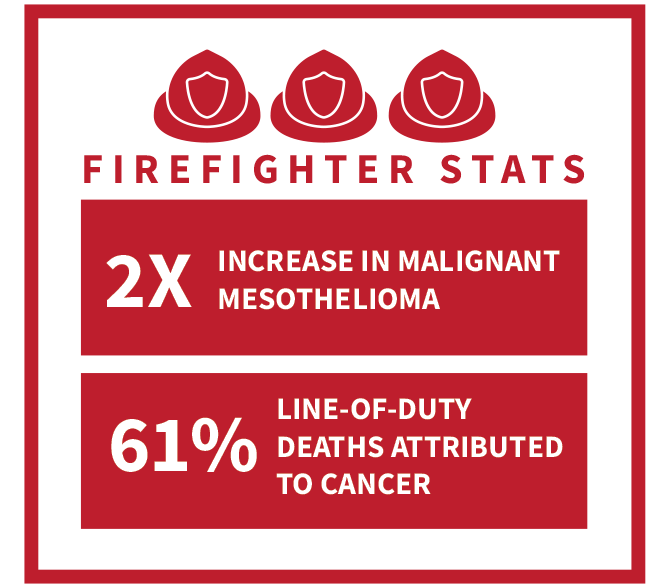
In the largest U.S. firefighter cancer study to date, NIOSH examined data from nearly 30,000 firefighters, revealing a twofold increase in malignant mesothelioma and elevated rates of bladder, prostate, non-Hodgkin lymphoma, skin cancer, and leukemia compared to the general population. Between 2002 and 2017, 61% of career firefighter line-of-duty deaths were attributed to cancer—a sobering reminder of the stakes. Firefighters face exposure not only from smoke and soot, but also from diesel exhaust, PFAS in gear, and burning synthetic materials—all adding to their cumulative risk.
This stark reality has prompted a shift in mindset across the fire service. Departments are moving from reactive health measures to proactive, prevention-driven strategies—particularly in the realm of contamination control and gear decontamination. And it starts with recognizing that every exposure, no matter how routine, leaves a mark.
Department Leading the Charge – Riverhead Fire District
Riverhead Fire District exemplifies how preparedness, coordination, and a proactive approach to contamination can protect firefighter health on and off the fireground. District Manager Frank Darrow prioritizes an aggressive decontamination strategy that includes routine and advanced turnout gear cleaning, Apparatus and SCBA decontamination and cleaning along with ongoing collaboration with Emergency DECON Services and RedLine Gear Cleaning.
This level of preparation was recently put into action during a major incident in Calverton, Long Island. When a fire erupted at the Crown Recycling Facility on June 3rd, more than 250 firefighters and EMS personnel from over 30 agencies responded. In the face of high exposure risk, Riverhead’s protocols served as a critical foundation for ensuring responder safety.
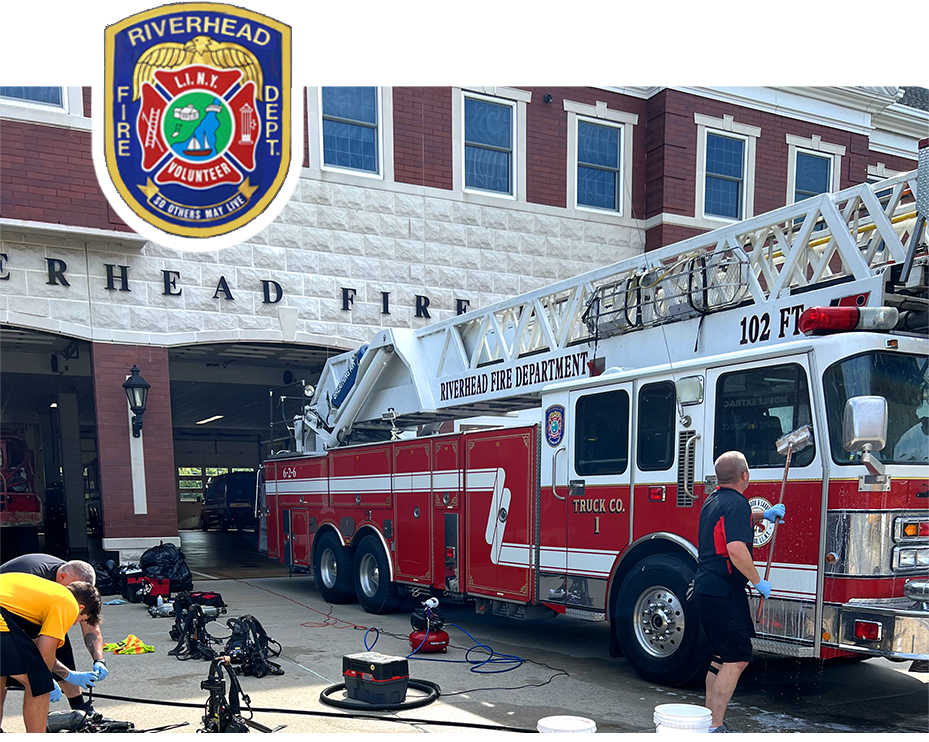
Working alongside Riverhead Fire Department, Emergency DECON Services and RedLine quickly mobilized to assist. Hygenall Firefighter DECON wipe stations were deployed on scene for immediate exposure mitigation. A multi-day decontamination drop-off site was then established at Riverhead Fire Headquarters to clean and inspect turnout gear, SCBAs, tools, and apparatus from multiple impacted departments.
“It’s one thing to talk about cancer prevention—it’s another to have a real plan in place,” says Frank Darrow. “At Riverhead, we don’t wait for an emergency to think about decontamination. We’ve built protocols into our operations so that when large-scale incidents happen, we’re ready to act immediately. It’s about protecting the people who protect others.”
“It’s one thing to talk about cancer prevention—it’s another to have a real plan in place.”
– Frank Darrow, District Manager, Riverhead Fire District
Riverhead’s coordinated response and infrastructure highlight how fire departments can integrate best practices into both routine operations and major incidents—offering a blueprint for cancer prevention efforts across the fire service.
Five Actionable Steps for Firefighter Cancer Prevention
- Full PPE Use – Especially during overhaul, when carcinogen levels remain dangerously high.
- On-Scene Gross Decontamination – Wipe-downs and gear spray-downs should occur immediately after leaving the hot zone.
- Routine Gear Cleaning & Inspections – Turnout gear should be cleaned regularly per NFPA 1851 guidelines and inspected annually.
- Apparatus & Equipment Decontamination and Cleaning – Cabs, tools, and SCBA packs must be regularly sanitized to reduce cross-contamination.
- Annual Health Screenings – Promote early detection through firefighter-specific medical checkups.
“Every step we take today—every wipe, every wash, every cleaned cab—helps protect someone’s tomorrow. That’s what drives us.”
– Rich Gross, President, Emergency DECON Services
– Tom Riedel, Vice President, Emergency DECON Services
For more information on Emergency DECON Services, contact them at 631-563-2744.